


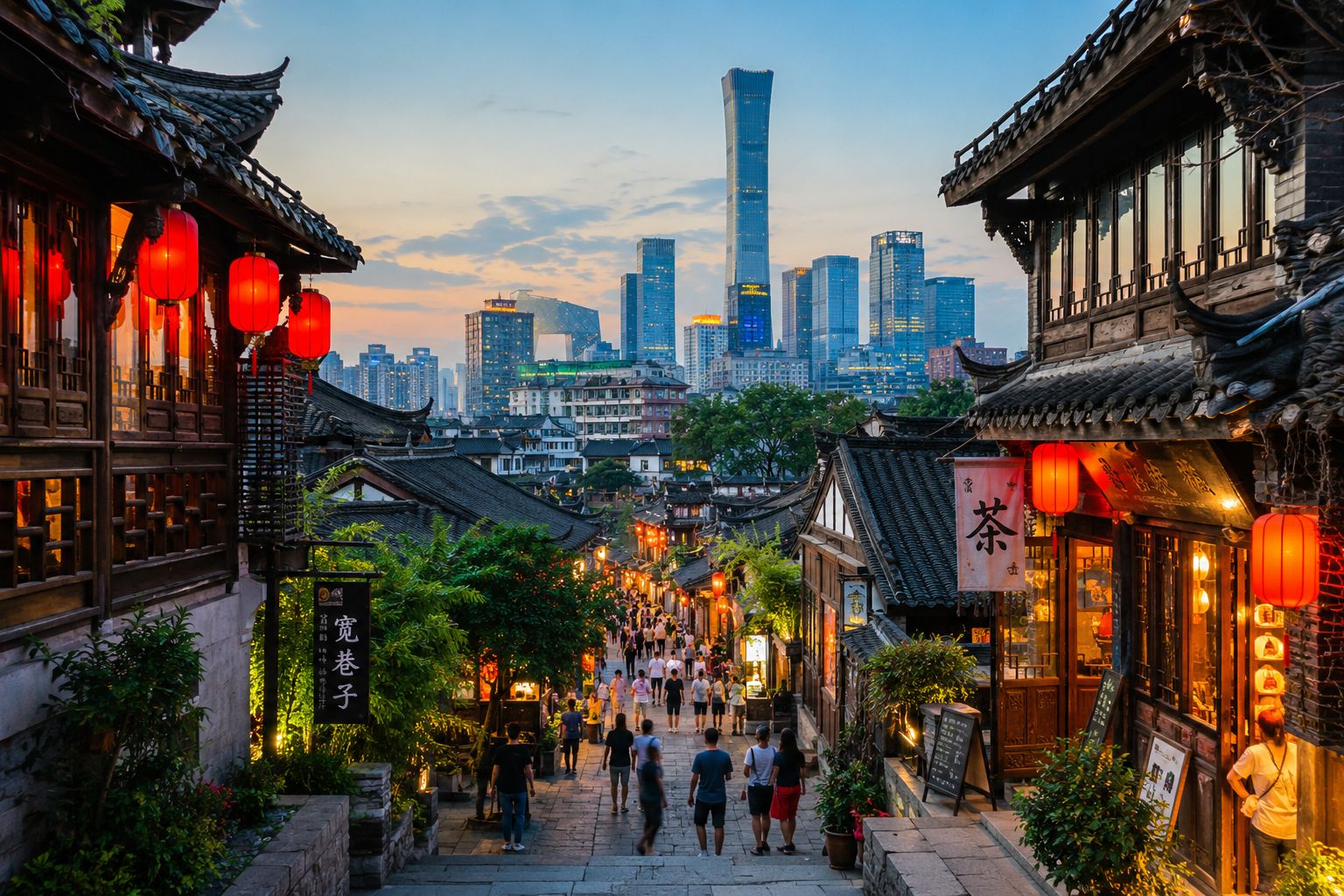
 China Neighbourhoods
China holds some of the most energetic urban centers on earth, where ancient traditions stand shoulder-to-shoulder with soaring skyscrapers. This guide offers a close look at specific districts to help travelers find their way through the massive cultural landscape in 2026.
The country presents a fascinating mix of urban landscapes, blending old imperial history with futuristic megacities. Travelers seeking real experiences must identify the Best Neighbourhoods to Explore in China to get the most out of their travels.
Learning how these cities function helps visitors find tucked-away food spots, historic buildings, and lively arts scenes. This guide details the Best Neighbourhoods to Explore in China based on local transit, cultural depth, and transport networks.
Cultural Gems: Best Neighbourhoods to Explore in China
Beijing offers unmatched historical depth, especially within the Dongcheng District. This central area houses the famous Nanluoguxiang hutong alleyways, which date back to the Yuan Dynasty.
Visitors can wander through narrow lanes that preserve traditional courtyard homes known as siheyuan. Dongcheng remains one of the Best Neighbourhoods to Explore in China for food lovers who want to experience authentic local life.
The area features many stalls selling traditional snacks like Beijing roast duck rolls and candied hawthorn skewers. Travelers can spend days exploring the quiet residential corners that stand in sharp contrast to nearby commercial hubs.
The district managed to outlast rapid modernization, keeping a unique architectural heritage that dates back over seven centuries. Local authorities set up strict protection laws to save the structure of these ancient alleyways.
- Nanluoguxiang Hutong: A 787-meter-long alley lined with boutique shops and cafes.
- The Lama Temple: A renowned Tibetan Buddhist monastery featuring a giant Maitreya Buddha statue.
- Confucius Temple: A peaceful sanctuary dedicated to the ancient philosopher, established in 1302.
Modern Districts: Best Neighbourhoods to Explore in China for Futuristic Innovation
Shanghai represents the high point of modern Chinese growth, with the Pudong New Area leading the way. This financial hub was mostly farmland before 1990 but now boasts one of the most recognizable skylines in the world.
The Lujiazui sub-district contains massive architectural wonders, including the 632-meter-tall Shanghai Tower. Walking along the elevated pedestrian walkways offers a clear view of these structural achievements.
This lively commercial zone serves as an important stop for understanding the economic changes in modern China. High-speed elevators carry visitors to observation decks that look out over the winding Huangpu River.
Urban planners designed this district to showcase green innovation, placing parks and gardens amid the dense concentration of skyscrapers. The contrast between Pudong and the historic Bund across the river highlights the rapid pace of development.
- Shanghai Tower: The third-tallest building in the world, offering a 360-degree observation deck.
- Oriental Pearl TV Tower: An iconic landmark featuring memorable spheres and a glass-bottomed sightseeing floor.
- Century Park: The largest park in Shanghai, spanning 140 hectares of green space and lakes.
Historic Quarters: Best Neighbourhoods to Explore in China with Deep Roots
Xi’an serves as a historic capital of Chinese civilization, with the Lianhu and Beilin districts offering a rare look into the past. The area is enclosed by the ancient Xi’an City Wall, which builders put up during the Ming Dynasty in 1370.
The Muslim Quarter, located within Lianhu District, has been a lively hub of culture and trade for over one thousand years. It stands out among the Best Neighbourhoods to Explore in China for those who appreciate traditional courtyard architecture and ancient Silk Road heritage.
The narrow streets are paved with blue flowered stones and lined with ancient trees that shade local merchants. A rich culinary tradition thrives here, blending Middle Eastern spices with local Shaanxi cooking techniques.
Biangbiang noodles and mutton paomo stew remain highly popular dishes among both locals and international tourists. The district keeps a unique cultural blend that reflects the ancient Silk Road trade routes.
- Xi’an City Wall: A 13.7-kilometer defensive fortification that visitors can cycle atop.
- Great Mosque of Xi’an: A unique fusion of traditional Chinese and Islamic architectural styles founded in 742.
- Forest of Stone Steles Museum: A collection of over 3,000 stone steles detailing ancient calligraphy and historical records.
Scenic Escapes: Best Neighbourhoods to Explore in China Near Nature
Chengdu blends urban relaxation with natural beauty, especially within the Wuhou District. This southwestern hub is famous for its laid-back teahouse culture and its proximity to ecological preservation sites.
The Jinli Ancient Street area showcases Qing Dynasty architecture and traditional Sichuan folk customs. Visitors can sample spicy Sichuan street food while watching local puppet shows and opera performances.
This welcoming destination provides easy access to the giant panda sanctuaries located on the outskirts of the city. Wuhou combines green urban planning with deep historical significance, making it highly attractive to slow travelers.
Shaded parkways and stone bridges cross the local rivers, offering peaceful walking paths away from the vehicle traffic. Local teahouses serve as community gathering spots where residents spend hours playing mahjong and drinking green tea.
- Wuhou Shrine: A historic temple dedicated to the heroes of the Three Kingdoms period.
- Jinli Ancient Street: A bustling pedestrian street famous for local snacks and traditional handicrafts.
- Wangjianglou Park: A scenic riverside park dedicated to the Tang Dynasty poet Xue Tao, featuring over 150 varieties of bamboo.
| District and City | Main Appeal | Major Highlight |
|---|---|---|
| Dongcheng, Beijing | Imperial History and Hutongs | Nanluoguxiang Alleyways |
| Pudong, Shanghai | Futuristic Architecture | Shanghai Tower |
| Lianhu and Beilin, Xi’an | Ancient Silk Road Culture | Muslim Quarter and City Wall |
| Wuhou, Chengdu | Teahouses and Sichuan Culture | Jinli Ancient Street |
Practical Tips for Navigating China’s Top Districts
Traveling through these vast urban districts requires careful preparation to make the most of your time and stay safe. Taking high-speed rail networks connects major cities like Beijing and Shanghai in just over four hours.
Buying a local SIM card or eSIM on arrival ensures constant access to translation and mapping applications. Using mobile payment systems like WeChat Pay or Alipay is highly recommended because cash transactions are increasingly rare.
Understanding these logistical details ensures a smooth experience when walking through these historic streets. Registered taxis and official ride-hailing apps provide reliable transport options during late-night hours.
Many major cities feature extensive subway systems with English signage, making independent navigation straightforward. Keeping digital copies of your passport and visa on your smartphone is a smart security step.
Selecting the Best Neighbourhoods to Explore in China depends on your personal travel goals, whether you focus on historical preservation or advanced technology. Planning your travel plans around these unique districts ensures a deeper appreciation of the nation’s multi-layered cultural landscape.
Focus on neighborhoods that offer strong public transit options to simplify your daily trips. Enjoy the diverse food scenes and historical monuments that define these unique urban areas. The blend of ancient heritage and modern convenience makes every district a special place to visit.


Comments are closed