


 Dining Deals
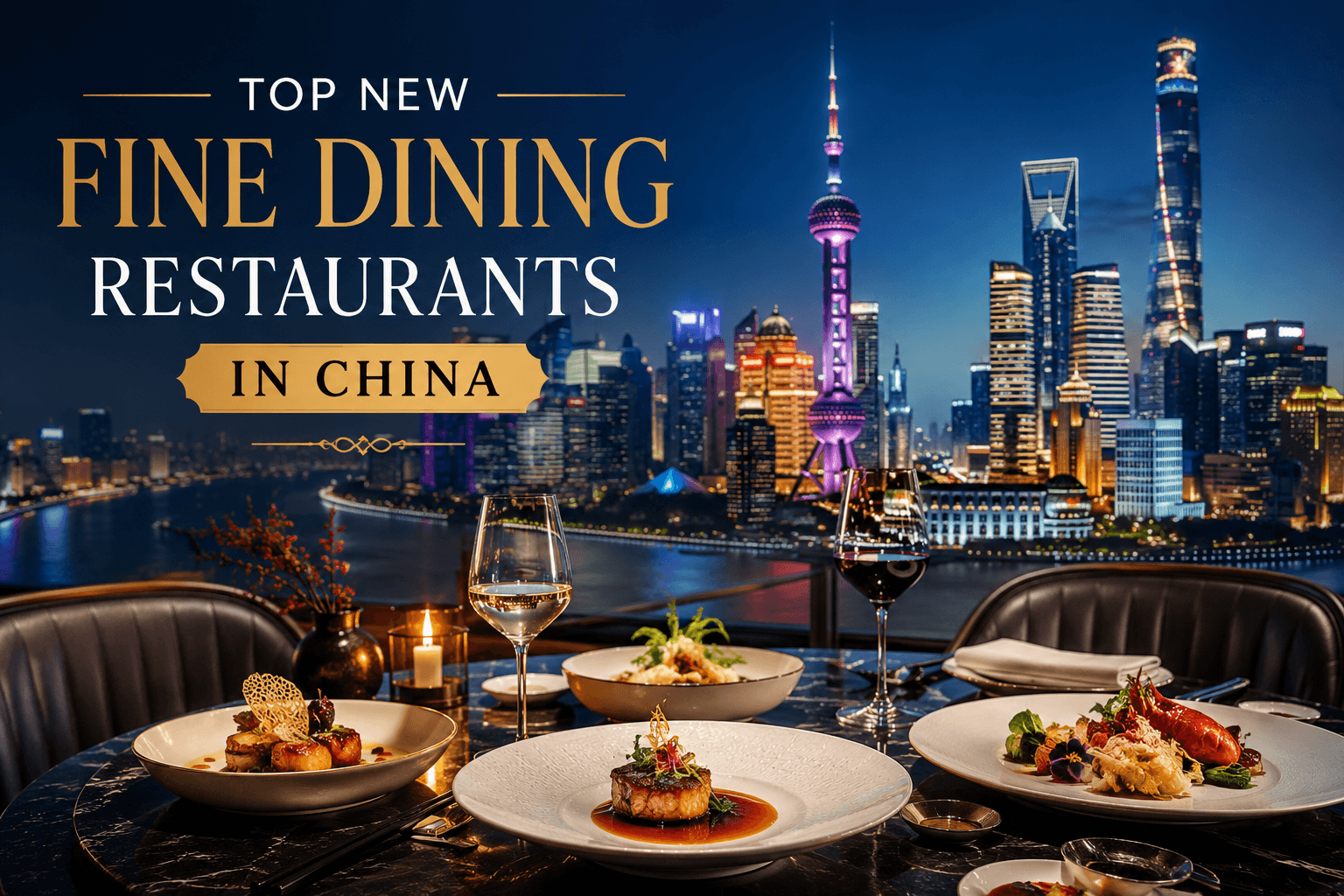
China’s culinary landscape is undergoing a massive shift. A new wave of visionary chefs is reshaping luxury gastronomy. Food enthusiasts searching for the Top New Fine Dining Restaurants in China will discover an array of fresh concepts that blend ancient history with modern culinary techniques.
Setting a new yardstick for global gastronomy, these Top New Fine Dining Restaurants in China offer more than just exquisite plates. They offer deep sensory experiences that reflect the country’s dynamic economic and cultural growth. Travelers can expect meticulous service, stunning interior designs, and ingredient-driven menus that tell a story of regional pride.
Defining Traits of the Top New Fine Dining Restaurants in China
Modern fine dining in China has evolved past Western-centric models to celebrate domestic terroirs and age-old techniques. Chefs are using ingredients sourced from targeted microclimates, such as wild matsutake mushrooms from Yunnan province or organic yellow wine from Shaoxing.
This transition represents a deliberate shift away from imported caviar and truffles toward local, artisanal products. Diners now seek out menus that honor historical Chinese culinary philosophies while using modern European preparation methods.
The blending of technology and storytelling is also highly prevalent. Many establishments use projection mapping, curated acoustic soundscapes, and theatrical presentation to enhance the narrative of each dish.
Lighting and table design are meticulously planned to complement the visual style of the cuisine. Traditional lacquerware, custom ceramics from Jingdezhen, and minimalist glassware create a highly distinct atmosphere for each course.
The service style has also shifted from formal Western obtrusiveness to a more fluid, narrative-driven hospitality style. Servers act as culinary guides, explaining the history and cultural origin of each ingredient presented on the plate.
How the Top New Fine Dining Restaurants in China Build Creative Menus
Creativity within these kitchens often centers on fermentation, preservation, and the modernization of classic textures. To maintain their creative edge, the Top New Fine Dining Restaurants in China are building dedicated fermentation labs to create custom soy sauces, vinegars, and koji-based seasonings that cannot be found anywhere else.
These techniques allow chefs to present familiar regional flavors in entirely unexpected formats. For example, a traditional Sichuanese profile might be delivered as a delicate, clarified broth or a frozen savory mousse.
- Dedicated dry-aging rooms for local poultry, including Nanjing duck and local squab varieties.
- The use of custom-built wood-fired hearths to introduce subtle smoky profiles to delicate seafood.
- Aged extraction techniques to capture the pure essence of traditional Chinese medicinal herbs.
Texture plays a central role in Chinese fine dining, with chefs experimenting with varying levels of crispness, gelatinous properties, and tenderness. Modern methods like vacuum-sealing and low-temperature water baths are used to achieve the precise texture required for traditional Cantonese dishes.
Pastry programs are also seeing a massive overhaul, moving away from hyper-sweet Western desserts. Instead, pastry chefs incorporate savory elements, tea infusions, and traditional Chinese grains to create light, balanced final courses.
A Tour of the Top New Fine Dining Restaurants in China
To understand the depth of this culinary movement, one must examine the exact establishments setting new standards in major culinary hubs. From Shanghai to Shenzhen, these venues are capturing the attention of international culinary guides.
The following list highlights three bold establishments that have established themselves as leaders in modern fine dining:
- Ling Long (Shanghai): Chef Jason Liu blends traditional Chinese flavors with French execution, creating a flavorful journey that highlights historical trade routes.
- Ensue (Shenzhen): This venue combines California farm-to-table ethics with Cantonese ingredients, using organic produce sourced directly from nearby Pearl River Delta farms.
- The Georg (Beijing): Located in a restored courtyard house, this restaurant offers artfully plated Nordic-style dishes made with seasonal Chinese ingredients.
Ling Long in Shanghai represents a milestone in modern Chinese gastronomy. Chef Jason Liu designs his menu around the concept of Re-Fine taste, using modern European techniques to highlight classic regional Chinese ingredients like sea cucumber and yellow wine.
Ensue in Shenzhen blends California’s famous farm-to-table culinary philosophy with local Cantonese ingredients. Head Chef Miles Pundsack-Poe focuses on local, responsible sourcing to deliver clean, intense flavors that pay homage to traditional Southern Chinese cuisine.
The Georg in Beijing offers a striking contrast by combining Nordic minimalism with historical Chinese surroundings. Diners enjoy beautifully arranged plates inside a restored courtyard house, highlighting the harmonious relationship between two distinct design and culinary traditions.
The table below outlines the core culinary focus and signature ingredients of these leading dining destinations.
| Restaurant Name | City Location | Culinary Philosophy | Signature Local Ingredient |
|---|---|---|---|
| Ling Long | Shanghai | Sino-French Fusion | Shandong Sea Cucumber |
| Ensue | Shenzhen | Cantonese-Californian | Guangdong Yellow Feather Chicken |
| The Georg | Beijing | Nordic-Chinese Fusion | Hebei Wild Chestnuts |
How the Top New Fine Dining Restaurants in China Handle Sourcing
Eco-conscious practices and regional sourcing have become paramount for modern culinary operators. To secure the best produce, the Top New Fine Dining Restaurants in China establish direct partnerships with smallholder farms, ensuring full traceability of every ingredient.
This direct-to-farm model guarantees that rare ingredients are harvested at peak ripeness and transported immediately to the kitchens. For instance, fresh river shrimp from Jiangsu province are delivered live to Shanghai kitchens twice daily.
- Guaranteed fair-trade compensation for heritage farmers in rural Chinese provinces.
- The preservation of rare heirloom vegetable varieties that were near extinction.
- A notable reduction in carbon footprints compared to importing European luxury ingredients.
Logistical supply chains have been completely overhauled to support these demanding culinary standards. Specialized temperature-controlled transport systems ensure that delicate ingredients from remote regions arrive in pristine condition.
This emphasis on domestic sourcing also supports local economies in remote areas of China. By choosing high-quality regional ingredients over imported luxury goods, these restaurants contribute to the economic viability of rural farming communities.
Booking a Table at the Top New Fine Dining Restaurants in China
Navigating this rapidly growing landscape requires a clear understanding of reservation policies and seasonal menu structures. Most high-end establishments release reservations on a strict monthly schedule, with tables booking out within minutes.
Discerning diners should plan their visits around the micro-seasons of the Chinese lunar calendar. This timing ensures access to highly coveted seasonal ingredients like hairy crab in autumn or bamboo shoots in spring.
- Monitor official WeChat mini-programs, which serve as the main reservation portal for high-end Chinese restaurants.
- Opt for the chef’s counter seating to observe the intricate assembly of modern dishes firsthand.
- Request the tea pairing menu, which often features rare, aged pu-erh and single-origin oolong teas selected to complement each course.
Securing a reservation at the Top New Fine Dining Restaurants in China requires planning, but the reward is an unmatched window into the future of global gastronomy.

Comments are closed