


 News & Trending
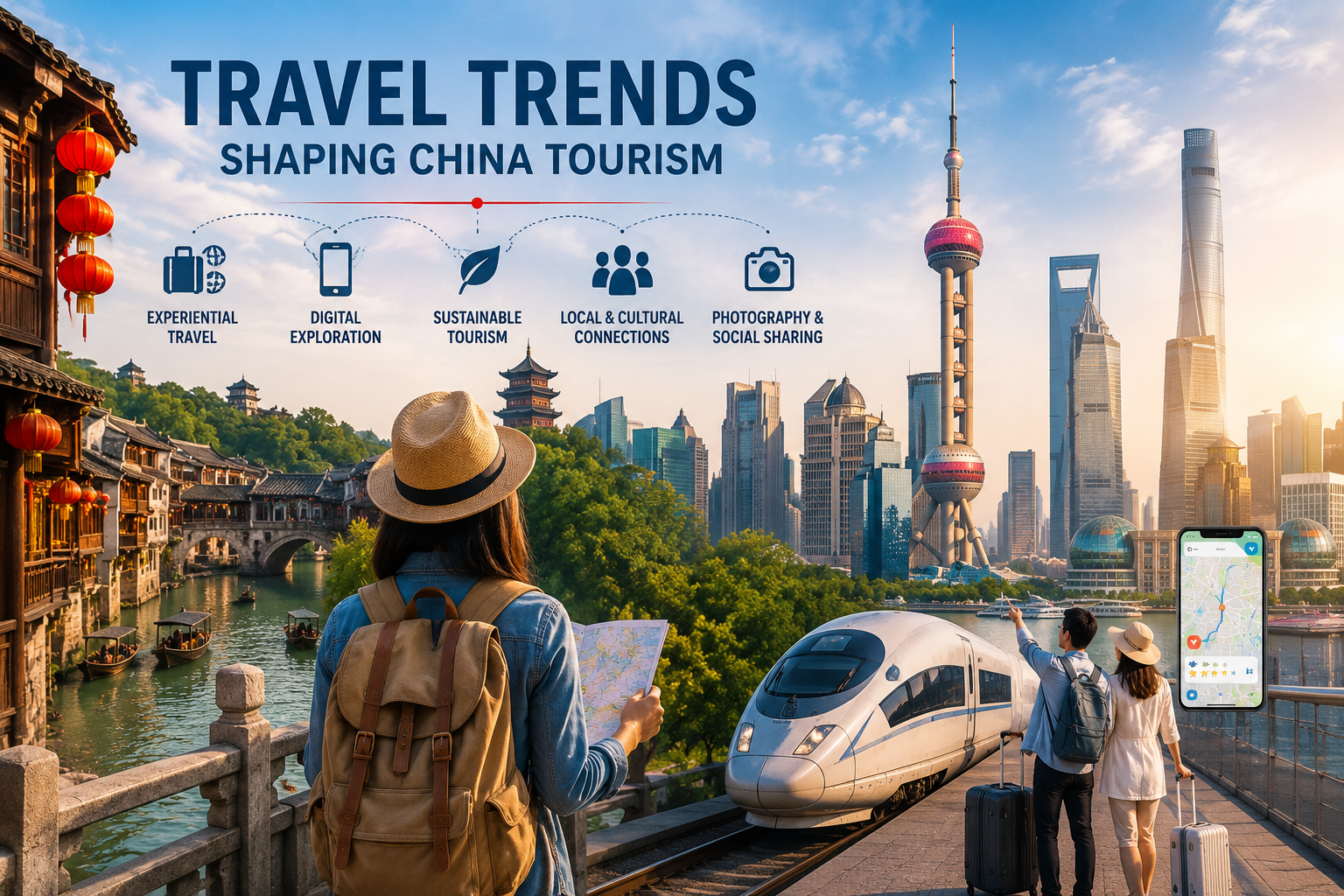
Digital Platforms and Travel Trends Shaping China Tourism
The global leisure market is undergoing a massive shakeup, fueled mostly by changing consumer habits in Asia. Grasping the modern Travel Trends Shaping China Tourism is now vital for foreign operators wanting to win over this highly profitable audience.
Tourism boards and lodging providers must adjust quickly to stay relevant in a fierce arena. A close examination of the Chinese market shows that digital-first methods are mandatory for survival.
Chinese travelers depend heavily on all-in-one networks like WeChat and Douyin to organize their entire trips. These platforms combine search, reservation, payment, and social sharing into a single digital space, removing the usual hassle of booking across different websites.
- Mini-programs within WeChat that handle entry tickets and digital hotel check-ins.
- Livestreaming campaigns on Douyin that offer limited-time hotel discounts.
- Xiaohongshu social search acting as the chief search engine for authentic travel reviews.
Niche Experiences and Travel Trends Shaping China Tourism
Large group tours are losing favor fast as younger crowds seek custom, independent adventures. The modern Chinese explorer values cultural connections, outdoor activities, and food journeys over basic sightseeing, showing a massive shift in tastes.
Numbers from Dragon Trail International show a sharp rise in self-drive road trips and nature outings. This movement points to a deeper hunger for health-focused and unhurried journeys, especially when heading to scenic overseas spots.
| Travel Style | Key Preference | Target Demographic |
|---|---|---|
| Self-Drive Tours | Flexibility and scenic routes | Millennials and young families |
| Cultural Discovery | Local workshops and heritage sites | Solo adventurers and Gen Z |
| Wellness Retreats | Spa treatments and nature therapy | High-net-worth individuals and retirees |
Green Choices and Travel Trends Shaping China Tourism
Eco-conscious travel choices are turning into a major factor for wealthy travelers from big cities. Travel businesses must adopt verifiable green habits to draw these environmentally minded guests. Emphasizing eco-friendly steps works as a strong way to stand out in a crowded market.
A recent poll by Trip.com Group showed that over sixty percent of travelers want low-carbon lodging options. Brands that show real proof of green practices enjoy much stronger customer loyalty.
- Reduced plastic waste rules in boutique resorts and eco-lodges.
- Carbon-offsetting partnerships built directly into booking systems.
- Support for local communities through fair-wage tourism projects.
Demographic Shifts and Travel Trends Shaping China Tourism
Generation Z and Millennial adventurers currently serve as the main drivers of leisure spending in East Asia. These age groups have high disposable income and value distinct lifestyle moments over material goods, relying heavily on peer reviews to make decisions.
As these demographic changes take hold, these evolving tastes are reshaping how brands approach the market. Keeping pace with the Travel Trends Shaping China Tourism requires a clear understanding of what younger travelers want.
Older travelers also represent a fast-growing segment with unique needs. Retirees from city centers look for comfortable, health-focused schedules that offer long-stay wellness retreats, valuing safety, clear communication, and easy-to-use facilities.
Future Outlook of Travel Trends Shaping China Tourism
To thrive in 2026 and beyond, international brands must adjust their offers to match these shifting habits. Staying ahead of the Travel Trends Shaping China Tourism remains the most reliable path to securing long-term market share.
Adopting local payment systems like Alipay and WeChat Pay is the first vital step for physical spots. Offering Mandarin-language digital guides and custom amenities further improves the guest experience.
By focusing on digital tools, green practices, and custom-tailored trips, hotel brands can align with the main Travel Trends Shaping China Tourism. The global tourism market rewards speed and cultural awareness.


Comments are closed