


 Adventures China
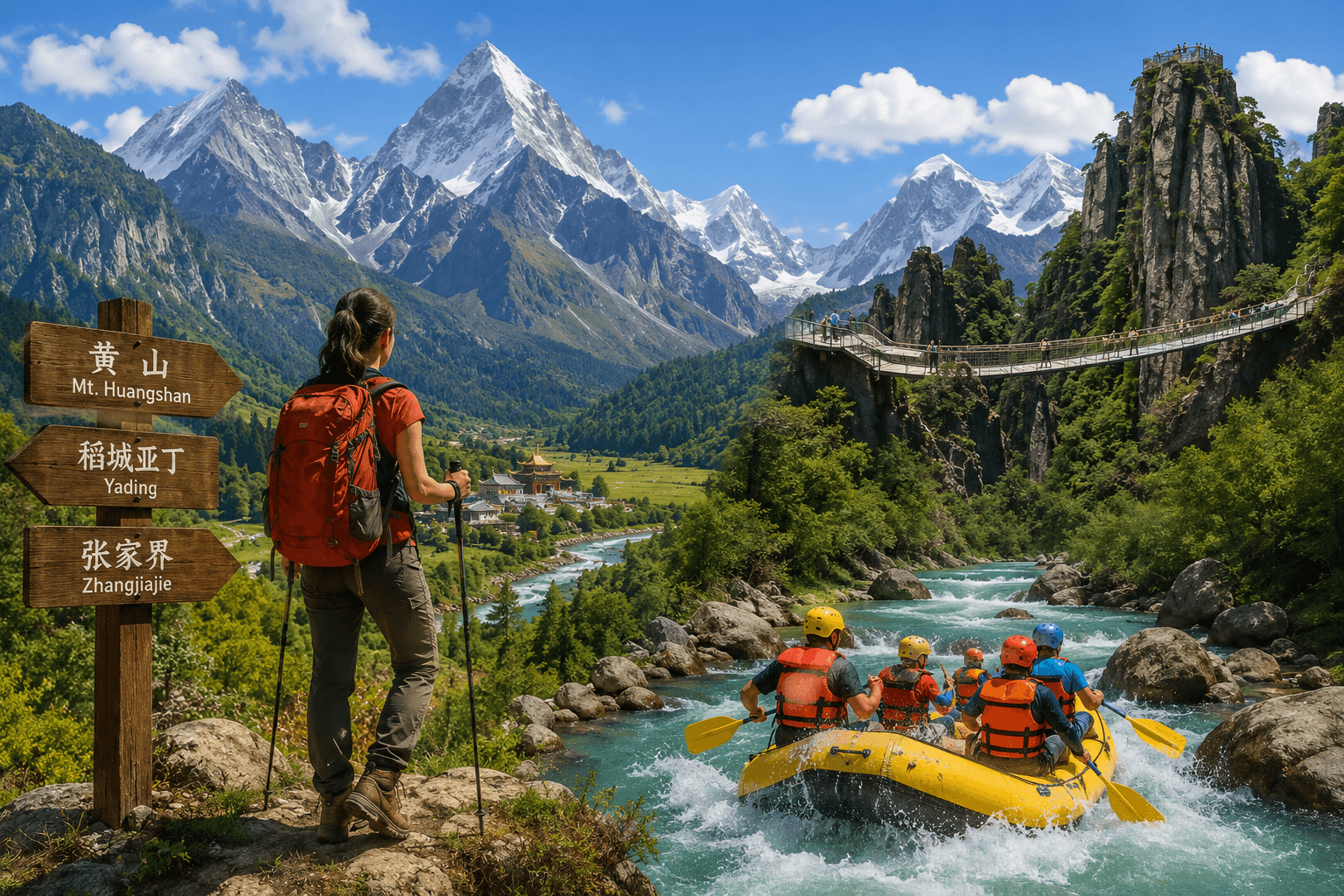
China holds some of the most varied terrain on Earth, with massive peaks covering nearly two-thirds of the land. Seekers of wild spaces head to these rugged heights for the sheer thrill of Hiking, Rafting, and Mountain Adventures in China. This field manual offers concrete planning methods, strict safety checklists, and region profiles to help organize your next trip.
Getting through these far-flung wilderness areas demands serious preparation and local expertise. Setting off on Hiking, Rafting, and Mountain Adventures in China allows travelers to witness pristine alpine lakes, plunging river gorges, and ancient peaks. We outline the key gear, prime locations, and weather windows needed to return home safely.
How to Prepare for Hiking, Rafting, and Mountain Adventures in China
Good planning prevents disasters in the wild. High-elevation areas like western Sichuan and Tibet demand physical training and specialized gear before you set foot on the high trails.
Your high-altitude plan must include spending at least two full days at 2,500 meters before climbing higher. Giving your lungs this adjustment period helps reduce the risk of severe altitude illness.
Choose gear that stands up to heavy rain and tearing rocks. Sturdy equipment keeps you safe when sudden storms roll across the high peaks.
- Four-season tents rated for winds up to 80 kilometers per hour
- Waterproof hiking boots with deep tread for slick mud and rock
- Heavy-duty dry bags holding at least 20 liters to keep gear dry during river runs
- Personal locator beacons linked to active global satellite systems
Buy travel insurance that covers high-altitude search and rescue. Standard policies usually exclude anything above 3,000 meters, which could leave you with a massive bill for an emergency rescue. You must arrange private evacuation options through regional agencies before you depart.
Top Destinations for Hiking, Rafting, and Mountain Adventures in China
Pick your route based on your fitness level and the time of year. Tiger Leaping Gorge in Yunnan features one of the deepest river canyons on the planet for hikers seeking rugged paths.
The Yangtze and Lhasa rivers offer legendary whitewater paths. These waterways feature Class III to Class V rapids that push skilled paddlers to their absolute limits.
If you want vertical walls, the sheer granite faces of Mount Siguniang require serious alpine climbing skills. These peaks rise above 6,200 meters and demand specialized ice tools and crampons.
- Tiger Leaping Gorge: A 22-kilometer trail that climbs to 2,670 meters
- Mount Siguniang: Multiple summits ranging from 5,025 to 6,250 meters
- Wild Great Wall Sections: The rugged 10-kilometer ridge walk from Jiankou to Mutianyu
- Yarlung Tsangpo Grand Canyon: Wild whitewater runs with extreme drops and heavy currents
The Hengduan range generates its own weather systems, forcing you to adjust plans daily. Be ready for temperatures to plummet by 15 degrees Celsius in less than an hour. Local guides are a must because they read these dangerous sky shifts instantly.
| Destination | Activity Type | Difficulty Level | Recommended Duration |
|---|---|---|---|
| Tiger Leaping Gorge | Trekking | Moderate | 2 Days |
| Mount Siguniang Peak 1 | Alpine Climbing | Strenuous | 3 Days |
| Lhasa River Gorges | Whitewater Rafting | Challenging | 1 Day |
These wild spaces demand total respect and careful planning with regional outfitters. Hiring licensed guides registered with the Chinese Mountaineering Association helps keep your crew safe during your Hiking, Rafting, and Mountain Adventures in China.
Safety Rules for Hiking, Rafting, and Mountain Adventures in China
Wilderness safety relies on following strict rules without compromise. You must have swiftwater rescue training before attempting to paddle the wild upper Yangtze without a guide.
The extreme demands of Hiking, Rafting, and Mountain Adventures in China require you to pack a thorough medical kit. Load your pack with altitude drugs, compression wraps, and reliable water purification tablets.
Staying in touch is incredibly difficult in deep stone canyons where cell signals die. Satellite messengers are your only lifeline to reach emergency rescue services in these regions.
- Check local weather maps using data direct from regional stations
- File your exact route with local authorities and mountain rescue squads
- Pack at least three liters of water per person every day alongside electrolyte salts
- Travel with at least three people so you can help each other in an emergency
Tackling wild rapids requires specific safety gear like high-float life vests and throw lines. Everyone must complete a safety briefing on dry land before pushing off into the current. This training covers defensive swimming moves and how to flip a capsized raft back over.
Best Seasons for Hiking, Rafting, and Mountain Adventures in China
Local weather patterns dictate when you can safely explore these diverse landscapes. Spring and autumn offer the calmest skies for high-altitude treks.
Summer monsoons strike from June through August, dumping heavy rain across the southern valleys. This downpour swells the rivers, creating thrilling but highly dangerous rafting conditions.
Winter trips demand extreme cold-weather gear to survive sub-zero temperatures that regularly plunge below minus 20 degrees Celsius. Building your timeline around these seasons keeps you safe and makes the trip far more fun.
Planning Your Hiking, Rafting, and Mountain Adventures in China
Heading out during the shoulder months of May and October cuts down on weather delays. These weeks offer clear blue skies and mild temperatures for excellent trail conditions.
Autumn is the premier window for high-altitude climbs because the rain stops. October brings crisp, dry air and crystal-clear views across the Himalayas and Hengduan peaks. Clear sightlines are vital when you are navigating faint trails in the high alpine zones.
Pulling off Hiking, Rafting, and Mountain Adventures in China requires detailed planning, physical fitness, and respect for local laws. You must invest in top-tier gear, hire certified local guides, and watch regional weather reports constantly.
Staying focused on safety and fitness promises an unforgettable trip through some of the wildest terrain on Earth. Good preparation turns these intimidating environments into places of triumph.


Comments are closed